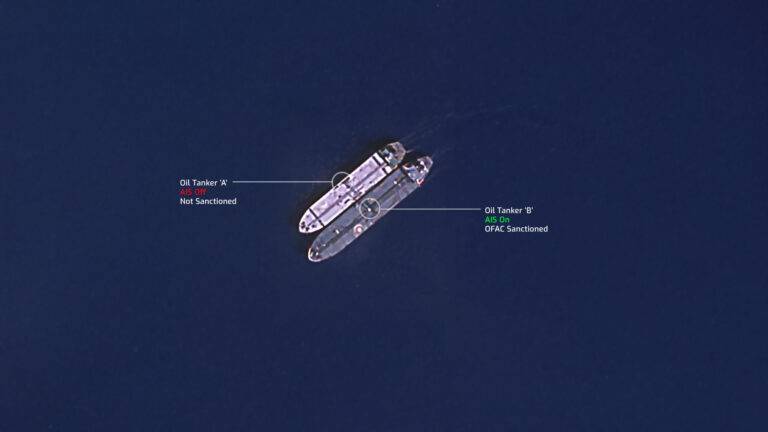









Tensions around Iran are placing one of the world’s most critical shipping routes, the Strait of Hormuz, under severe pressure, with immediate consequences for insurers and global energy markets. Skytek’s latest maritime intelligence analysis shows how disruption in the Strait has rapidly reshaped oil flows and created new concentrations of risk.
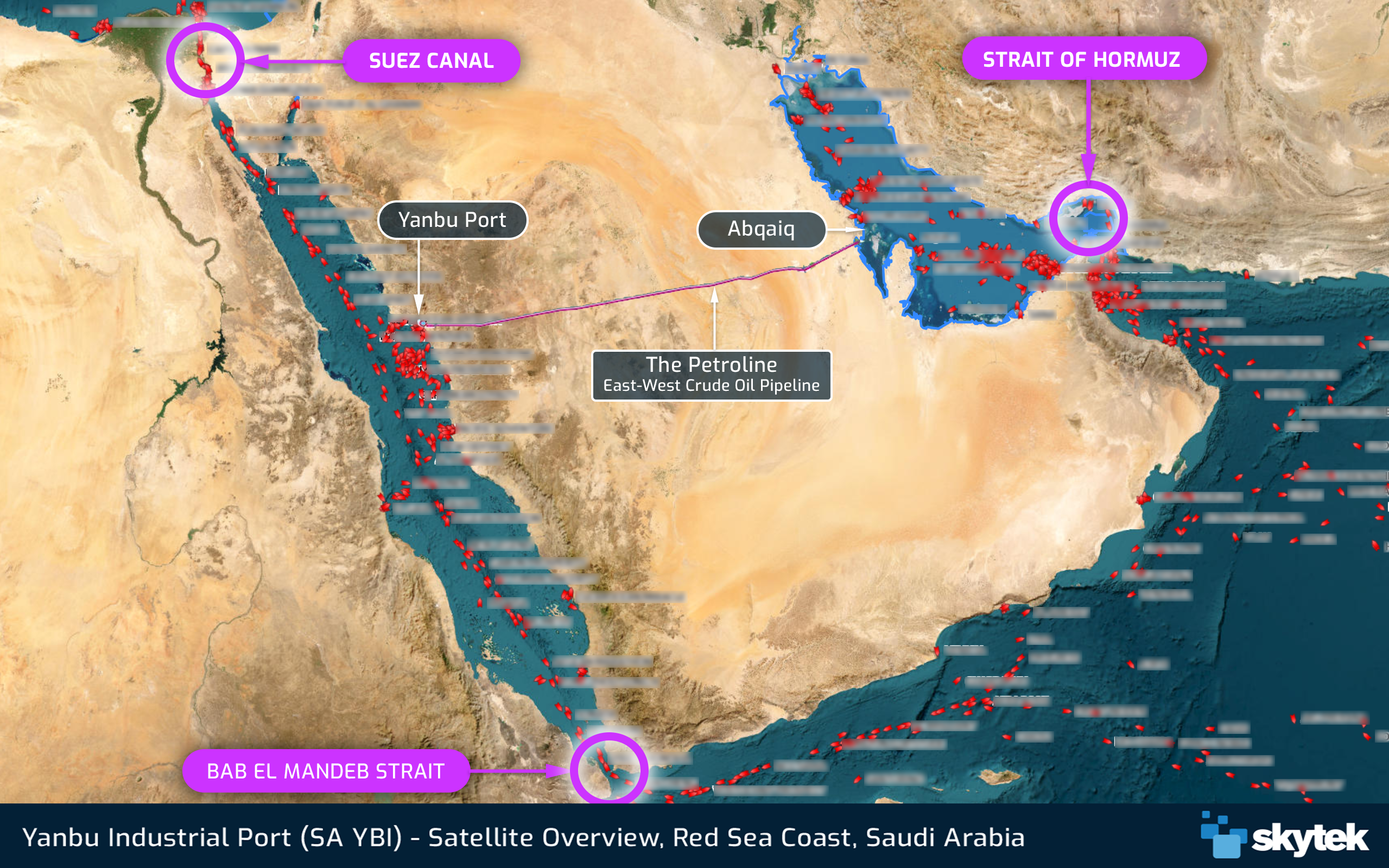
Following a blockage in late February 2026, tanker activity has surged as operators reroute cargo away from the Gulf. Saudi Arabia’s Yanbu port, connected to eastern oil fields via the Petroline pipeline with a capacity of up to 7 million barrels per day, has become the primary alternative.
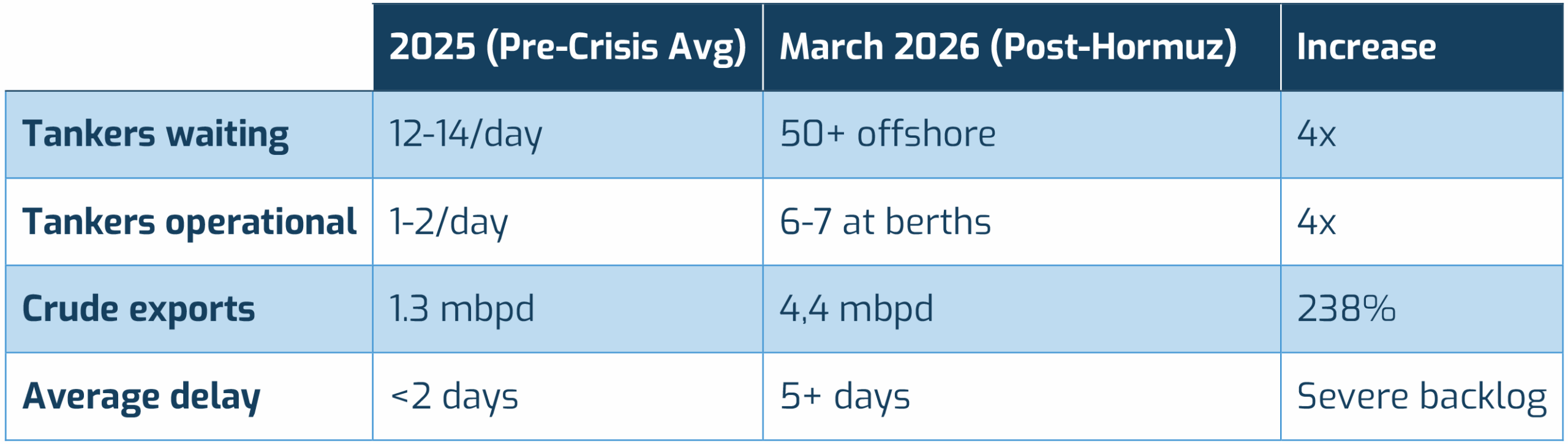
Pre-crisis levels saw around 12 to 14 tankers waiting offshore and just 1 to 2 loading daily. By late March, more than 50 tankers were waiting, with 6 to 7 loading simultaneously.
Exports have risen from about 1.3 million barrels per day to over 4.4 million, an increase of more than 200 percent, while average delays have extended from under two days to more than five.
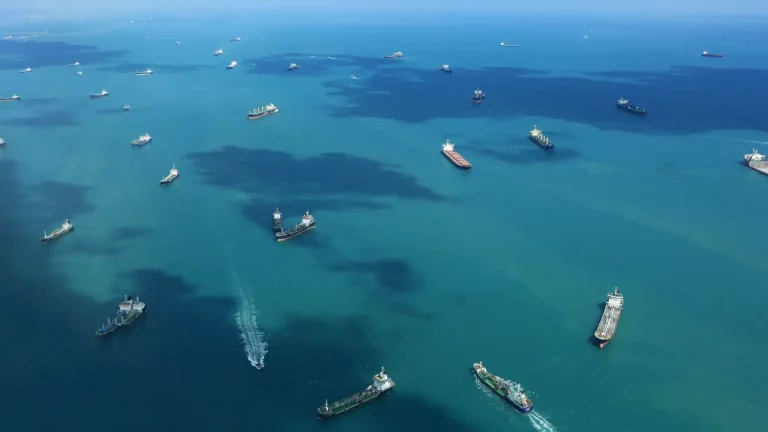
This surge has created a significant accumulation risk. More than 60 vessels are now clustered around Yanbu, representing over 2.5 billion dollars in hull value. High traffic density, extended waiting times, and constrained port capacity increase the likelihood of collisions, operational failures, and delay-related claims.
The disruption is also expanding beyond a single location into a broader three chokepoint risk involving the Strait of Hormuz, the Bab el Mandeb, and the Suez Canal. There are increasing indications that Houthi forces may escalate attacks in the Red Sea, raising the possibility of disruption at Bab el Mandeb. If this occurs, vessels may be forced to reroute around the Cape of Good Hope, adding up to 14 days to transit times and increasing fuel costs by approximately 30 percent.
For insurers, the key issue is that risk is not reduced but displaced, with exposure now building simultaneously across multiple critical maritime chokepoints. Skytek’s Real World enables real-time monitoring of vessel movements, congestion, and risk accumulation across these regions. This allows insurers to track exposures dynamically and respond more effectively to rapidly evolving maritime threats.
For vessel-level intelligence, including names and exposure data, please contact Skytek.